The Poison Garden
The first garden was laid down in 1750 by the 1st Duke of Northumberland, who employed Capability Brown, the celebrated gardener, to landscape the parkland adjoining Alnwick Castle.
The 3rd Duke was a plant collector, and led a century of development at Alnwick - he brought seeds from over the world, and pineapples were raised in hothouses. In the middle of the 19th century, the 4th Duke created an Italianate garden featuring a large conservatory, and at the end of the century, the gardens were at their grandest, with yew topiary, avenues of limes and acres of flowers.
During World War II’s Dig For Victory campaign, the garden was turned over and provided food, and soon afterwards the austerity of the 20th century saw the garden fall into disrepair. It was closed as a working garden in 1950.


Redevelopment of the garden was instigated by Jane Percy, Duchess of Northumberland, in 1997, and is being created by Belgian landscape designers Jacques and Peter Wirtz. It is the most ambitious new garden created in the United Kingdom since the Second World War, with a reported total development cost of £42 million.
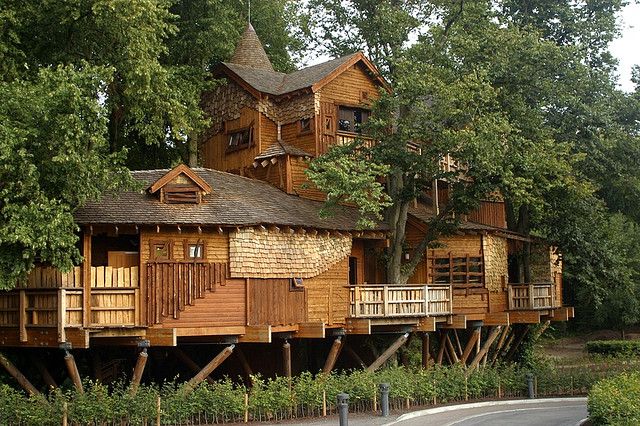
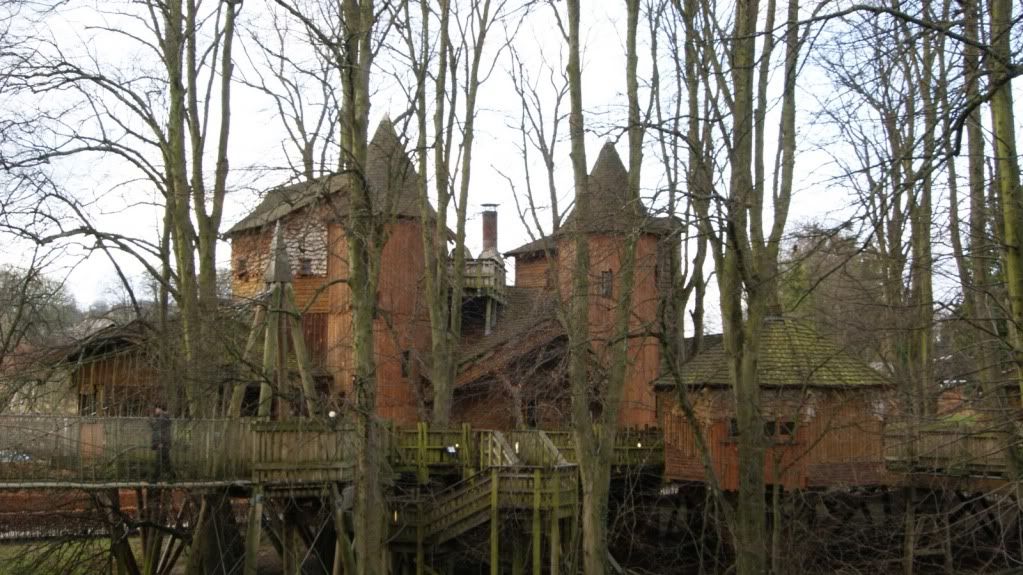
The first phase of development, opened in October 2001, involved the creation of the cascade and initial planting of the gardens. In 2004 a large 6,000 sq ft (560 m2) 'tree house' complex, including a cafe, was opened. It is one of the largest treehouses in the world.
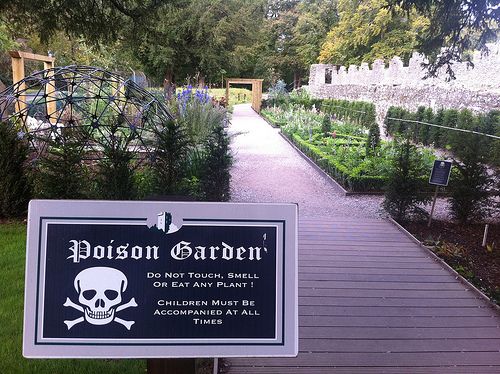
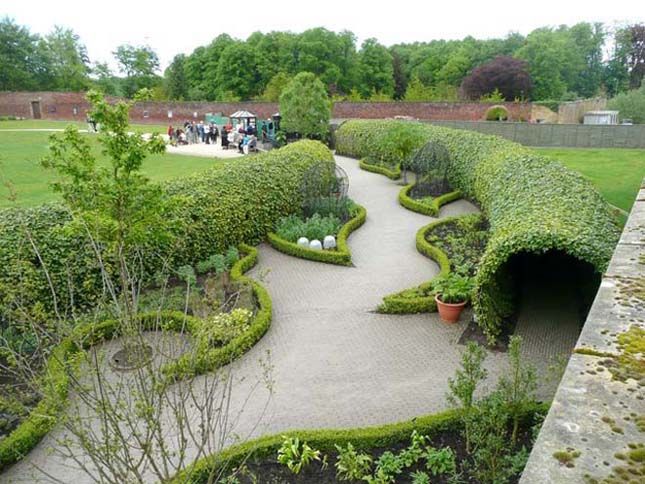
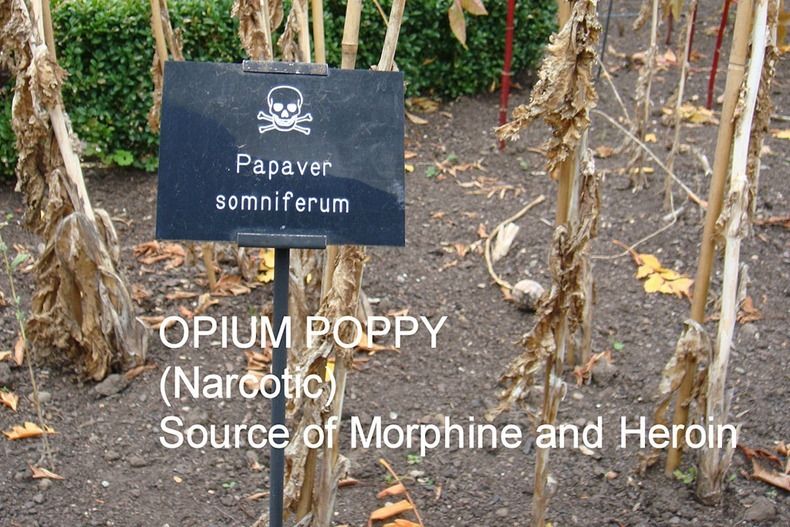
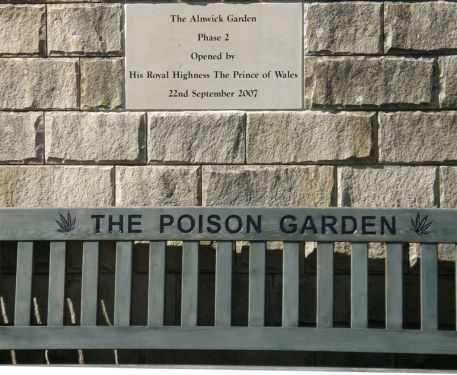
In February 2005, a poison garden, growing plants such as cannabis and opium poppy, was added. May 2006 saw the opening of a pavilion and visitor centre, designed by Sir Michael Hopkins and Buro Happold, which can hold up to 1,000 people. The pavilion and visitor centre feature a barrel-vaulted gridshell roof.
The garden now belongs to a charitable trust, which is separate from Northumberland Estates, although the Duke of Northumberland donated the 42-acre (17 ha) site and contributed £9 million towards the development costs.


‘These Plants Can Kill’: Hazardous Horticulture at The Poison Garden
Science meets myth and legend in The Poison Garden, where stories are told of certain plants that are so deadly that they need a special licence to grow there at all. It was created by the Duchess of Northumberland who noticed there was a wealth of gardens worldwide which contained healing plants, but a lack of any that showcased lethal flora.
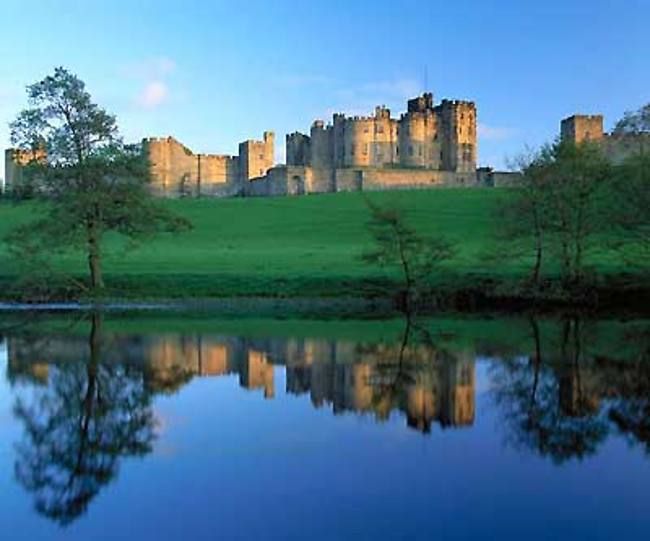
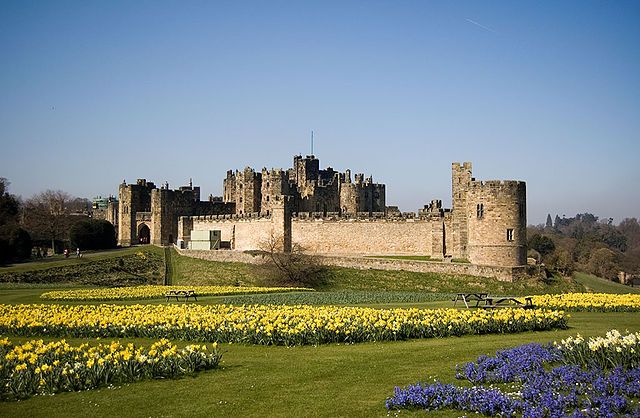
The Alnwick Gardens are a group of public gardens attached to Alnwick Castle in Northumberland, England. The castle itself is the second largest in Great Britain. One of the gardens that helps make up the Alnwick Gardens is the Alnwick Poison Garden. This garden boasts some of the world's most dangerous plants, hence the name.
 |
Alnwick Castle - Northumberland
|
 |
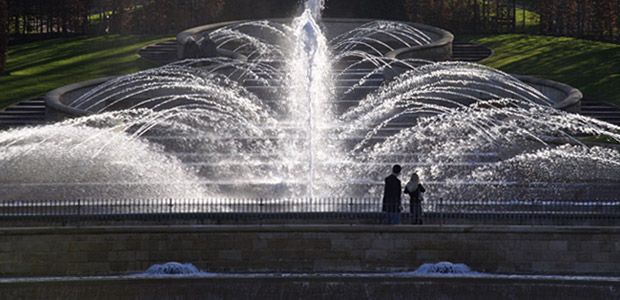
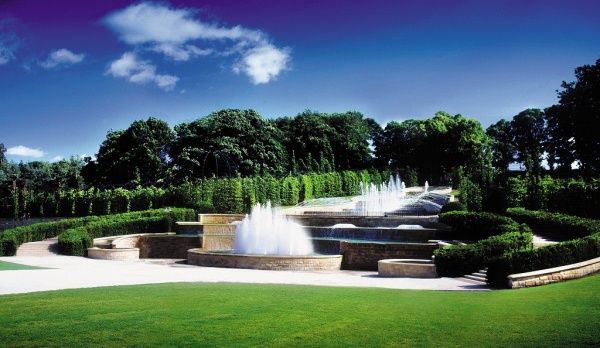
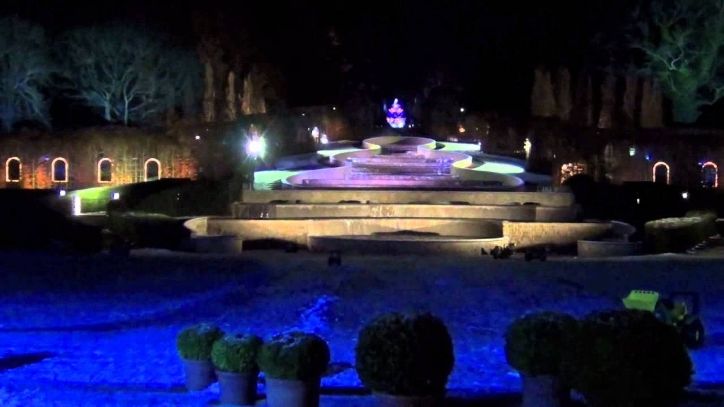
| The cascade fountain |
The history of the Alnwick Gardens goes back to 1750. The modern gardens were designed after a long period of neglect. The current Duchess of Northumberland decided to revamp the gardens when she became mistress of Alnwick Castle. The project began around 2000, but she did not begin the Poison Garden until five years later. The Duchess wanted a garden that was filled with narcotic, poisonous and deadly plants. The initial design included some medicinal plants, but she had them removed to maintain the concept of the Poison Garden.

The Duchess of Northumberland had father and son garden designers Jacques and Peter Wirtz design the modern Alnwick Gardens. Besides the Poison Garden, there is the Rose Garden, the Tree House, the Serpent Garden, the Ornamental Garden, the Bamboo Labyrinth and more. The Poison Garden has arguably the most socially significant purpose of all the Alnwick Gardens. Guests who visit the Alnwick Poison Garden are led by guides who teach them about the plants and about drug abuse prevention. The drug abuse prevention message stems from the plants that reside in the Poison Garden.


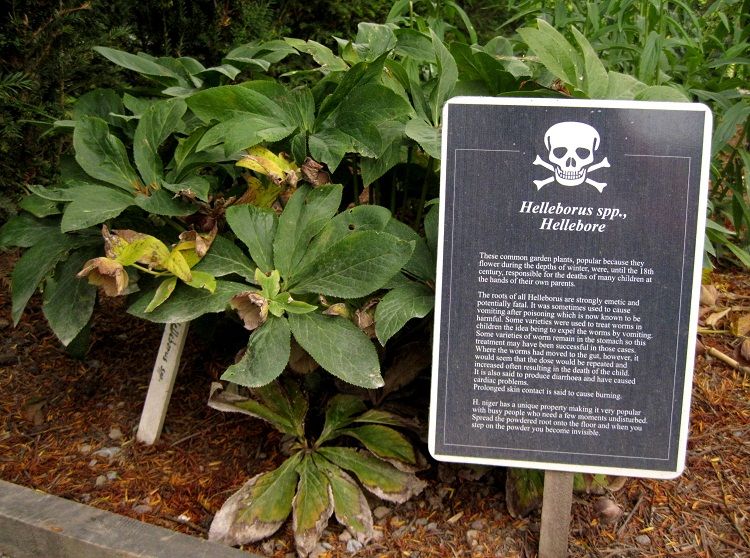
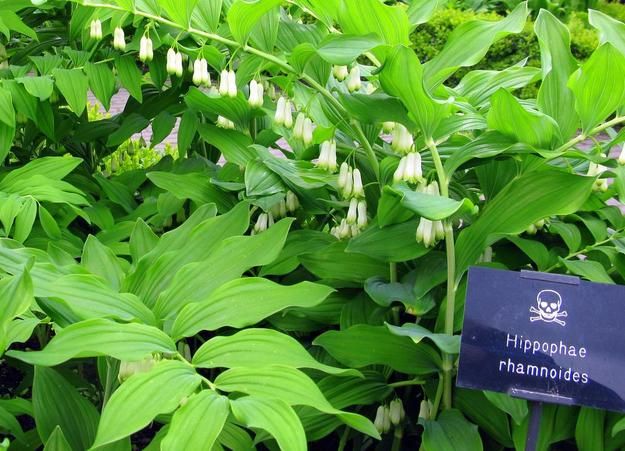
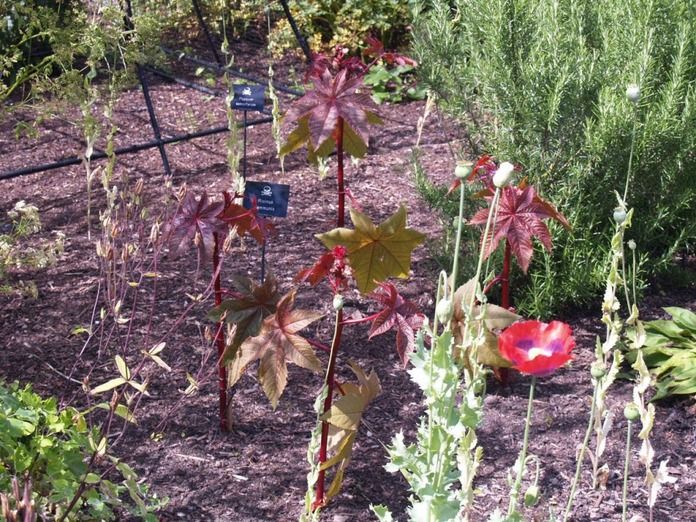
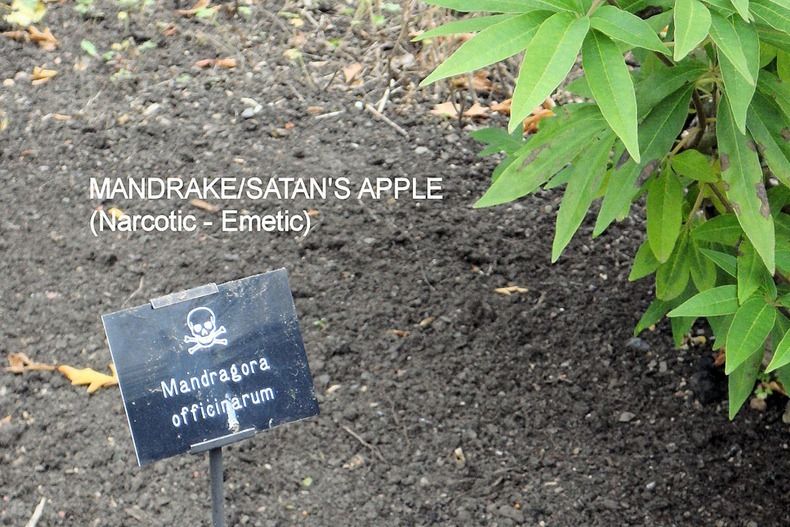
The plants that grow in the Alnwick Poison Garden could be used to make an array of illegal narcotics. There are poppies, which are used to make opium. There is Atropa belladonna, also known as deadly nightshade, which is famous for its use as a poison. Belladonna is also a hallucinogenic. Cocoa also grows in the Poison Garden. Cocoa sounds like a lovely plant, but it is actually used to make cocaine. Strychnos nux-vomica is another deadly plant, which is used to make strychnine. Also included are hemlock, cannabis and more.
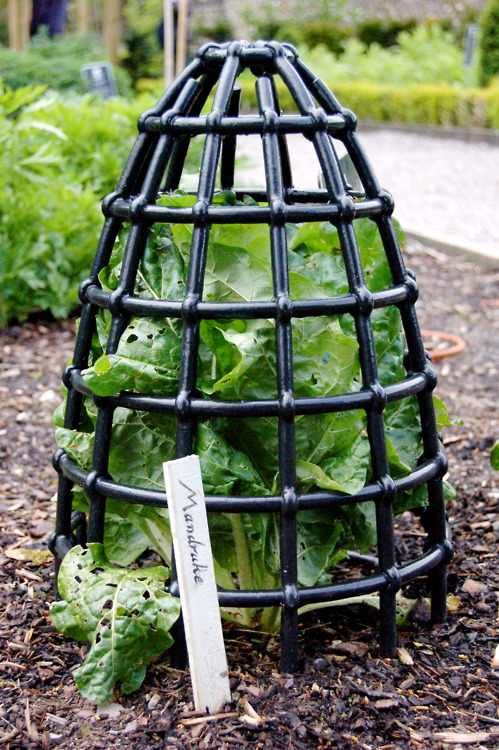
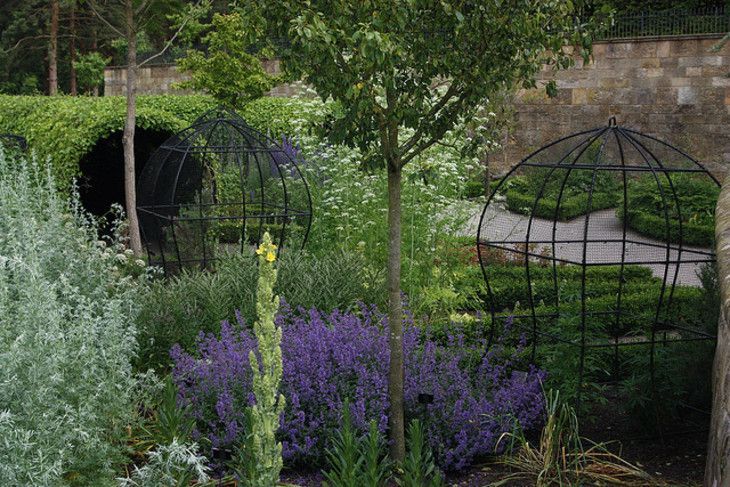
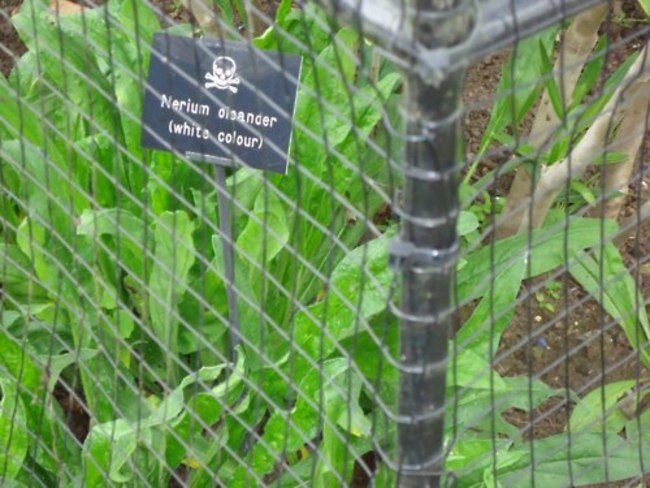
The Poison Garden at Alnwick Gardens is on around the clock surveillance for the safety of the public and would be thieves. Some of the plants are even kept in specially fenced areas to avoid accidental poisoning of theft of the plants for use in making narcotics. The message at the Poison Garden is anti-drug, so it is of the utmost importance that the plants there be used to educate the public, not harm people.
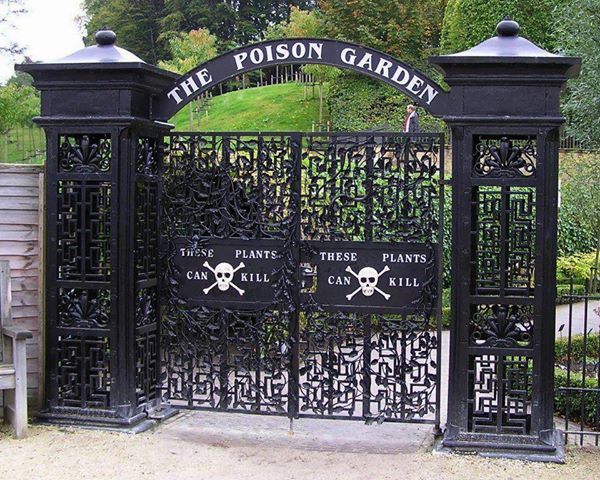
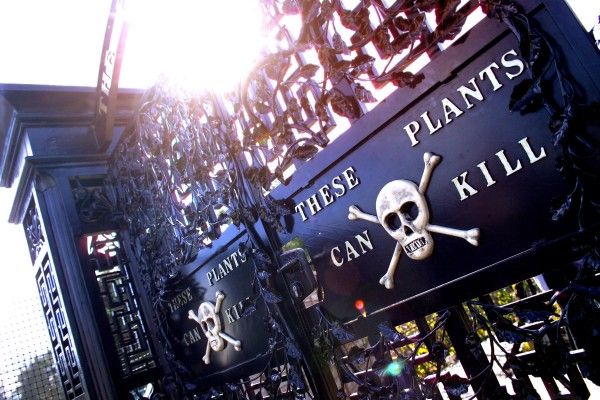
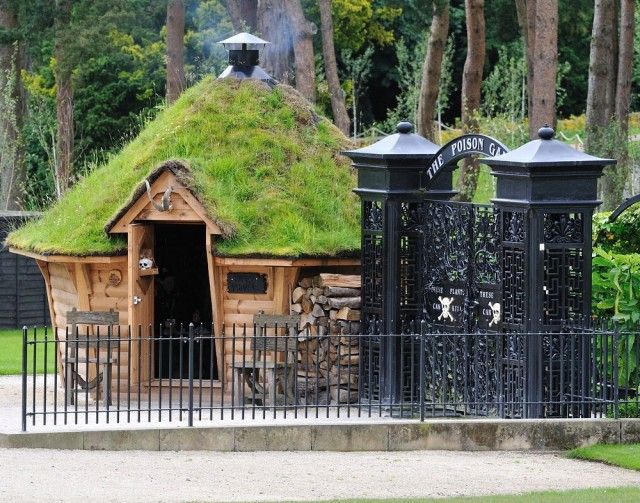
The heavy black gates that lead to The Poison Garden are reminiscent of an ancient cemetery gateway. Emblazoned upon them is a ghastly skull and crossbones motif and the ominous words: “These Plants Can Kill”, written in bold capitals.
The Treehouse
The enormous and beautifully crafted Treehouse is built from sustainably sourced Canadian cedar, Scandinavian redwood and English and Scots pine. It sits high in the treetops in a copse of mature lime trees and looks as if it’s been there forever.
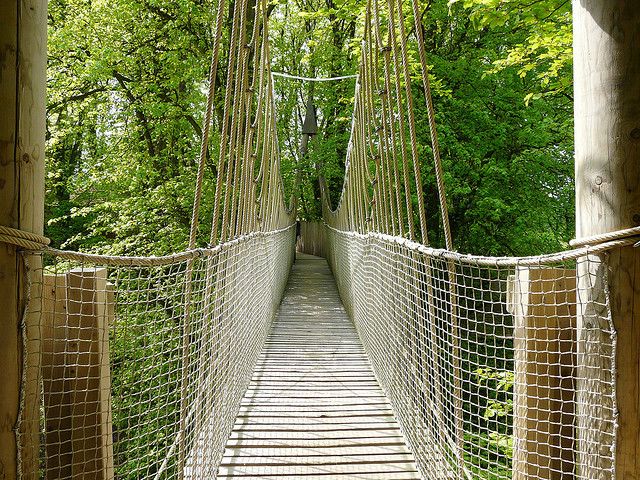
There are walkways in the sky and wobbly rope bridges for bouncing on, all accessible by wheelchair and buggy. On the Treehouse’s deck there’s the Roost, one of The Garden’s education rooms, which shows films and hosts activities at certain times of the year.
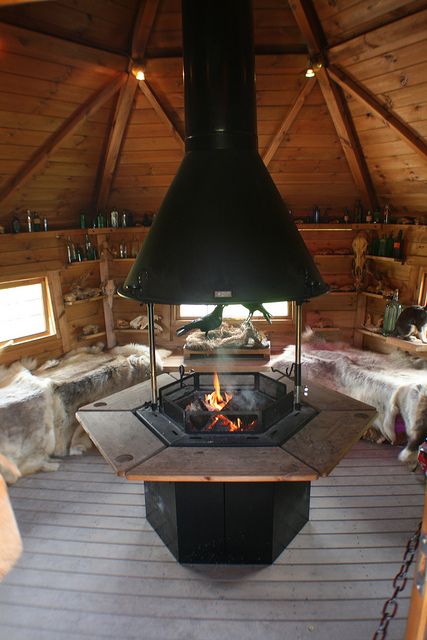
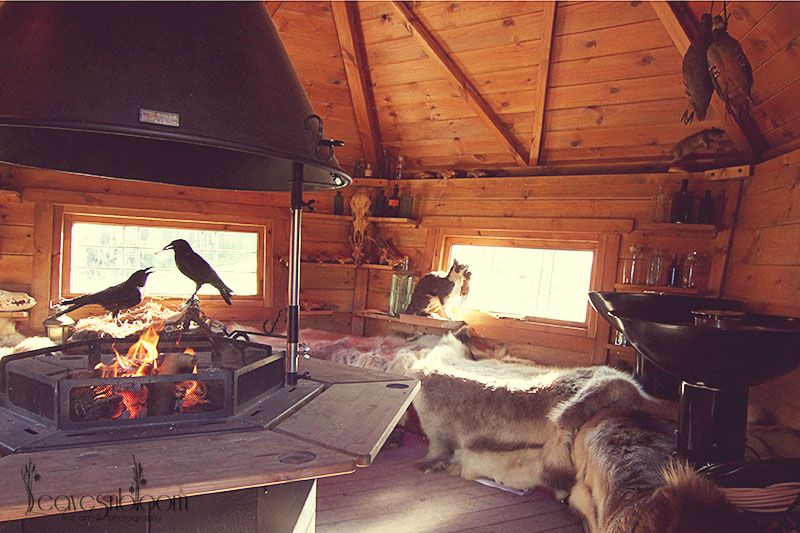
At the heart of the Treehouse is one of the most beautiful and unique restaurants to be found anywhere in the world. There’s a roaring log fire in the centre of the room, trees growing through the floor, handcrafted furniture and screens created from fallen branches. Most importantly, the locally-inspired food is delicious.
Part of the Alnwick Garden in Northumberland, The Poison Garden is set in the grounds of Alnwick Castle, home to the noble Percy family for 700 years. Henry Percy, known to literature as Harry Hotspur, was immortalised on stage in Shakespeare’s Henry IV.
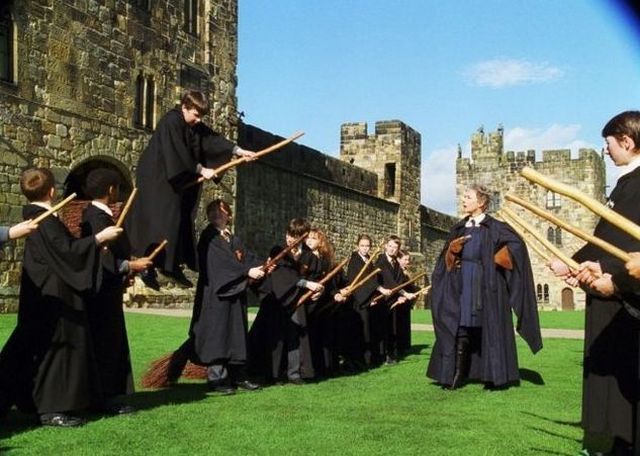
The castle itself featured as Hogwarts in the first two Harry Potter films and stood in for Nottingham Castle in Richard Carpenter’s Robin of Sherwood.
Sources:
www.urbanghostsmedia.com/2013/03/th...garden-alnwick/
http://voices.yahoo.com/alnwick-poison-gar...420.html?cat=71
http://en.wikipedia.org/wiki/The_Alnwick_Garden
www.alnwickgarden.com/explore/whats-here/the-treehouse/about